01
What is the Workplace Misconduct & Industrial Relations course about?rent from an Employment Act course?
Our Workplace Misconduct & Industrial Relations: Managing Employee Misconduct the Right Way Training Course helps participants understand how to manage employee misconduct, conduct domestic inquiries and address workplace disputes fairly and professionally.
The programme covers misconduct classification, employment law, disciplinary procedures, domestic inquiry management, evidence evaluation, inquiry reports, dismissal letters and post-dismissal procedures.
Participants will learn how to approach disciplinary matters, document decisions and manage workplace situations in line with relevant Malaysian employment and industrial relations principles.
02
Is the Workplace Misconduct & Industrial Relations course suitable for beginners?
Yes. The course is suitable for beginners and working professionals who want to develop a practical understanding of workplace misconduct and industrial relations.
The training begins with the definitions, types and categories of misconduct before progressing to employment law, disciplinary procedures and domestic inquiries.
Participants do not need previous experience conducting domestic inquiries, although basic knowledge of HR practices or employee management is recommended.
The course is suitable for HR personnel, supervisors, business owners, department heads and managers involved in employee-related decisions
03
What is the difference between Employment Act Training and Workplace Misconduct & Industrial Relations Training?
Yes — the methodology includes actual Malaysian court case reviews throughout both days, grounding the process in real outcomes rather than theory alone.
04
What is the difference between employee misconduct and poor performance?
Employee misconduct generally involves behaviour or actions that breach workplace rules, policies or employment obligations.
Poor performance generally refers to an employee's failure to meet expected work standards, objectives or performance requirements.
The two situations may require different management approaches.
The course helps participants understand these differences and why employers should avoid automatically treating poor performance as disciplinary misconduct.
Participants will also learn how proper documentation, fair procedures and appropriate management decisions can help reduce workplace disputes.
05
What is a domestic inquiry, and will I learn how to conduct one?
Yes. The course includes dedicated training on managing domestic inquiries.
A domestic inquiry is an internal process used by an employer to examine allegations of employee misconduct and establish relevant facts.
Participants will learn about the objectives of domestic inquiries, the principles of natural justice and the roles of the inquiry chairperson, panel members, prosecuting officer and employee facing allegations.
Day 2 also covers recording inquiry proceedings, evaluating evidence, preparing findings and producing disciplinary documentation.
The legal need for a formal domestic inquiry depends on the circumstances and applicable requirements. The course focuses on how to manage the process properly when it is conducted.
06
What are the principles of natural justice in workplace disciplinary procedures?
Natural justice refers to fundamental principles of fairness when making decisions that affect individuals.
In workplace disciplinary matters, these principles include giving an employee a fair opportunity to respond to allegations and ensuring that the decision-making process is impartial.
The course introduces natural justice as part of domestic inquiry management.
Participants will learn why neutrality, proper documentation and fair procedures are important when investigating misconduct and making disciplinary decisions.
07
What is condonation of misconduct, and will it be covered?
Yes. Day 1 includes condonation of misconduct under the module on handling employee misconduct.
Condonation generally refers to circumstances in which an employer's conduct may be interpreted as accepting or overlooking an employee's misconduct.
This can become relevant when disciplinary action is delayed or inconsistent.
The course introduces the concept and its importance when managing workplace misconduct and repeated disciplinary issues.
Participants will learn why employers should handle misconduct consistently and maintain appropriate records.
08
Will I learn how to manage employee dismissal and unfair dismissal claims?
Yes. Day 2 includes a module on post-dismissal matters.
Participants will learn about an employee's right to challenge a dismissal, representation during conciliation meetings and matters arising before and after conciliation.
The course introduces the importance of documenting disciplinary decisions and preparing for possible workplace disputes.
Under Section 20 of the Industrial Relations Act 1967, an employee who considers their dismissal to be without just cause or excuse may file a representation for reinstatement, subject to applicable procedures and deadlines.
This programme helps participants understand the industrial relations considerations arising from dismissal decisions.
09
Does the course include actual Malaysian court cases and practical workshops?
Yes. The training uses interactive discussions, practical workshops and reviews of actual Malaysian court cases.
Participants will examine workplace misconduct situations and discuss the procedural and documentation issues that can arise.
Day 2 includes practical what-if scenarios involving domestic inquiries, evidence evaluation and disciplinary decisions.
These activities help participants connect industrial relations principles with workplace circumstances they may encounter.
10
How can this course help companies reduce employment-related disputes?
The course focuses on the importance of clear misconduct definitions, proper disciplinary procedures, fair investigations and accurate documentation.
Participants will learn how to distinguish poor performance from misconduct, manage repeated misconduct and conduct domestic inquiries appropriately.
The programme also covers documenting findings, avoiding bias and understanding post-dismissal procedures.
Applying these practices may help organisations reduce procedural errors and manage employee disputes more effectively, although attending the course does not guarantee that future legal disputes will be avoided.
11
How long does the Workplace Misconduct & Industrial Relations course take?
The course takes two days, with training sessions running from 9:00 AM to 5:00 PM
Day 1 focuses on understanding misconduct, employment law, disciplinary management and domestic inquiry procedures.
Day 2 covers domestic inquiry documentation, evidence evaluation, dismissal letters, post-dismissal disputes and leadership's role in preventing misconduct.
Training includes interactive discussions, practical workshops and Malaysian court case reviews.
12
Do I need to bring my own laptop for the Workplace Misconduct & Industrial Relations training?
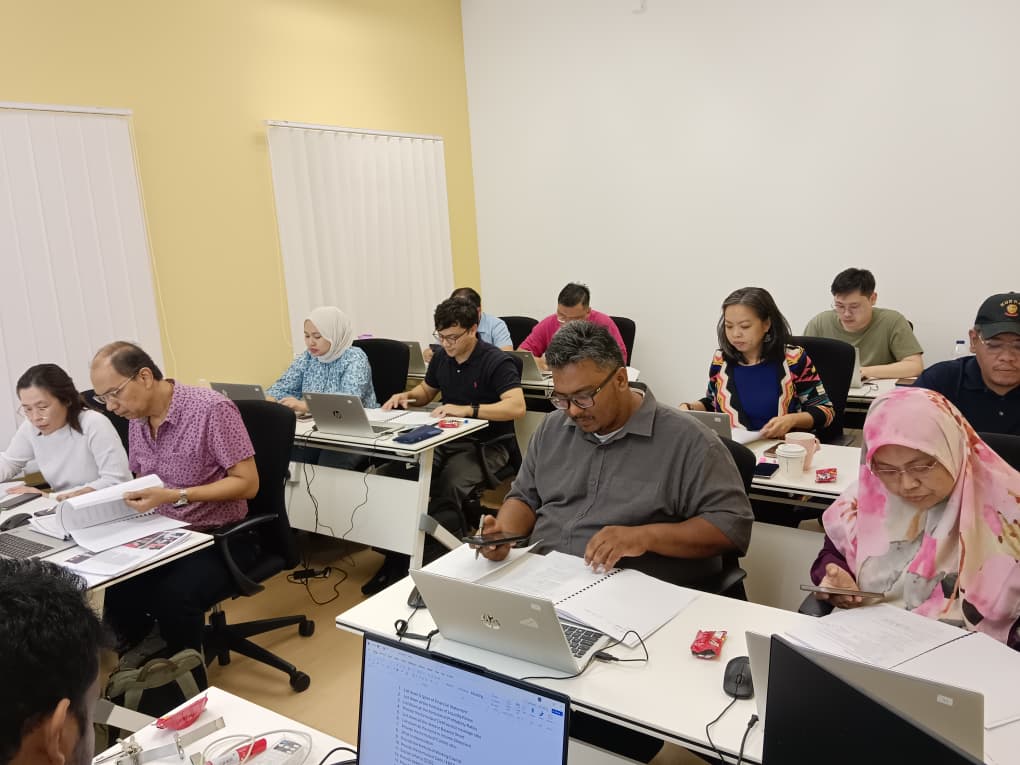
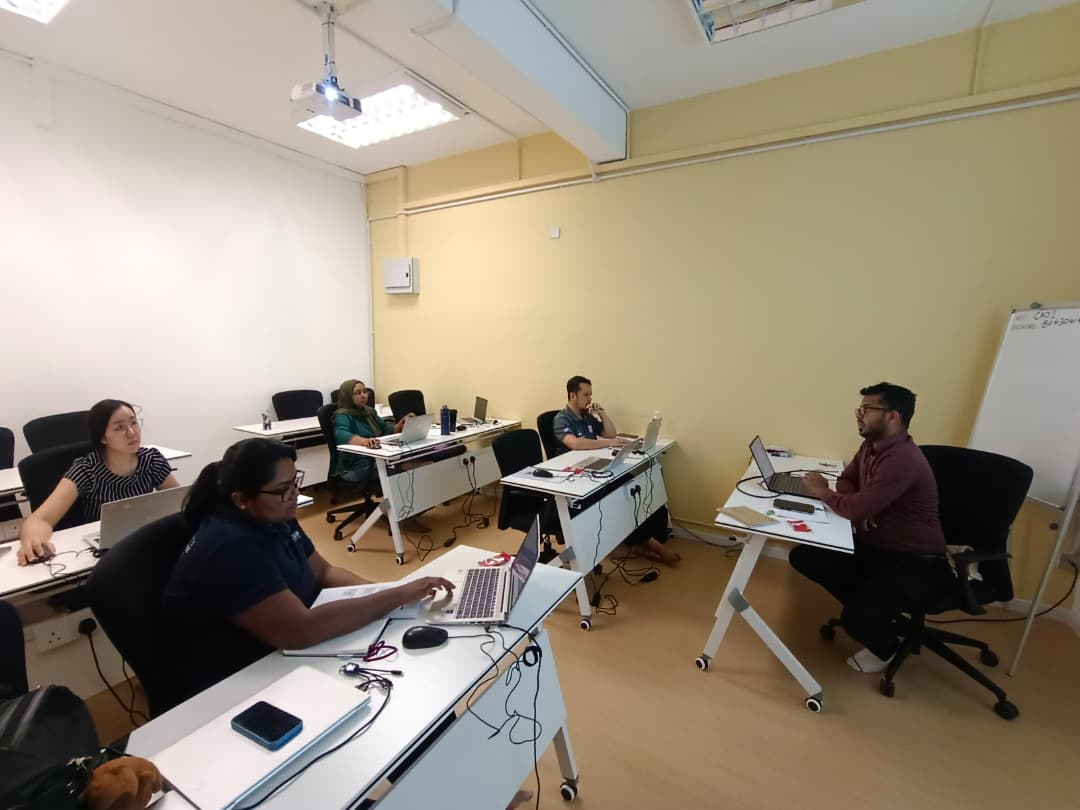
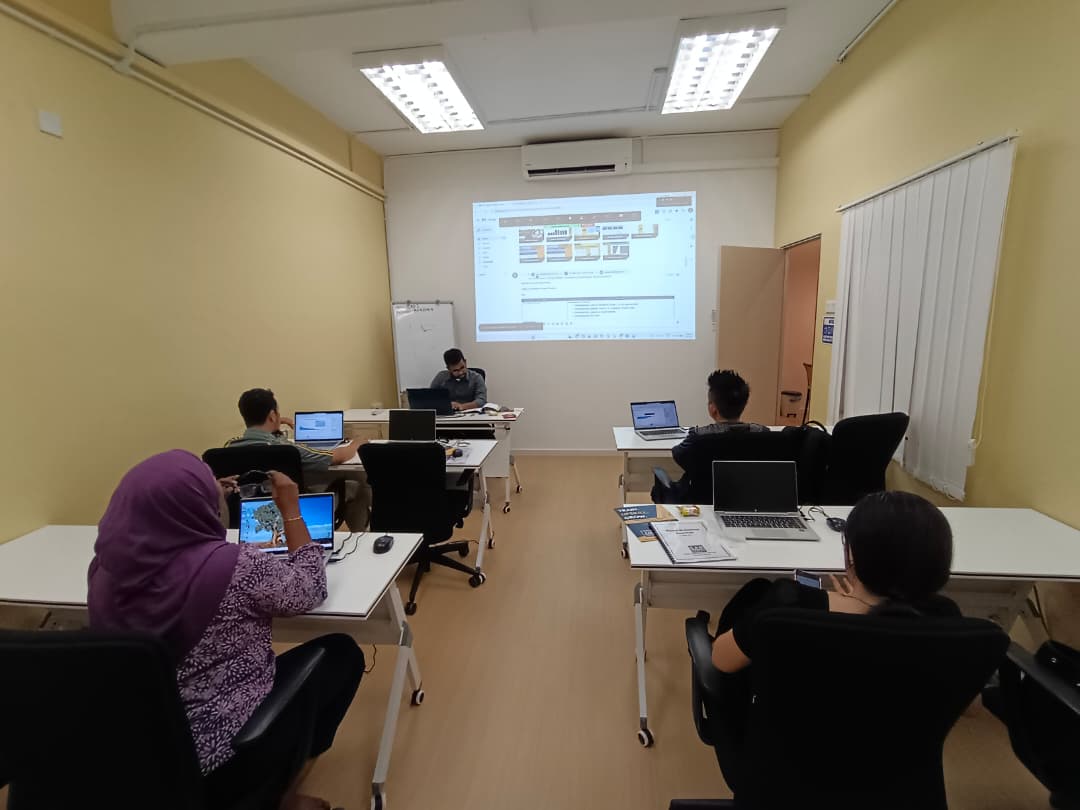
No. CAD Training Centre provides laptops for participants attending physical classes at our Puchong centre.
You may bring your own laptop if preferred. Training manuals and handouts are also provided.
13
Will I receive a certificate after completing the Workplace Misconduct & Industrial Relations course?
Yes. Participants receive a Certificate of Attendance after completing the Workplace Misconduct & Industrial Relations Training Course.
The certificate recognises completion of the 2-day programme covering workplace misconduct, domestic inquiry procedures and industrial relations practices.
14
What language is the Workplace Misconduct & Industrial Relations course conducted in?
The training is conducted bilingually in English and Bahasa Melayu.
15
Is the Workplace Misconduct & Industrial Relations course HRD Corp claimable?
Yes. Our Workplace Misconduct & Industrial Relations Training Course is HRD Corp claimable under the SBL Khas scheme, subject to applicable eligibility and approval requirements.
16
Can the Workplace Misconduct & Industrial Relations course be arranged for corporate or in-house training?
Yes. CAD Training Centre offers in-house and corporate training for organisations that want to train their employees together.
The programme can be arranged for corporate groups, subject to the trainer's availability, participant requirements and quotation arrangements.
Companies may contact the training team to discuss their specific employee misconduct management and industrial relations training needs.
17
Is there a surau (prayer room) available at CAD Training Centre?
Yes, we have a surau available at our training centre in Puchong. Muslim participants can use the prayer room during breaks throughout the training day.
18
Can I attend Workplace Misconduct & Industrial Relations training online instead of in a classroom?
Classroom training means physical attendance in Puchong with face-to-face guidance and co-learning with other participants. Online training runs live via Zoom with hands-on, screen-shared exercises, better if you're outside the Klang Valley or want to save on travel time.
The main public schedule currently lists this course as in-house only. Please confirm the available classroom or online arrangements with the training team before registering.
19
Can I repeat the Workplace Misconduct & Industrial Relations course if I need more practice?
Yes, free repeat classes are offered, no questions asked, if you need a refresher.