About this course
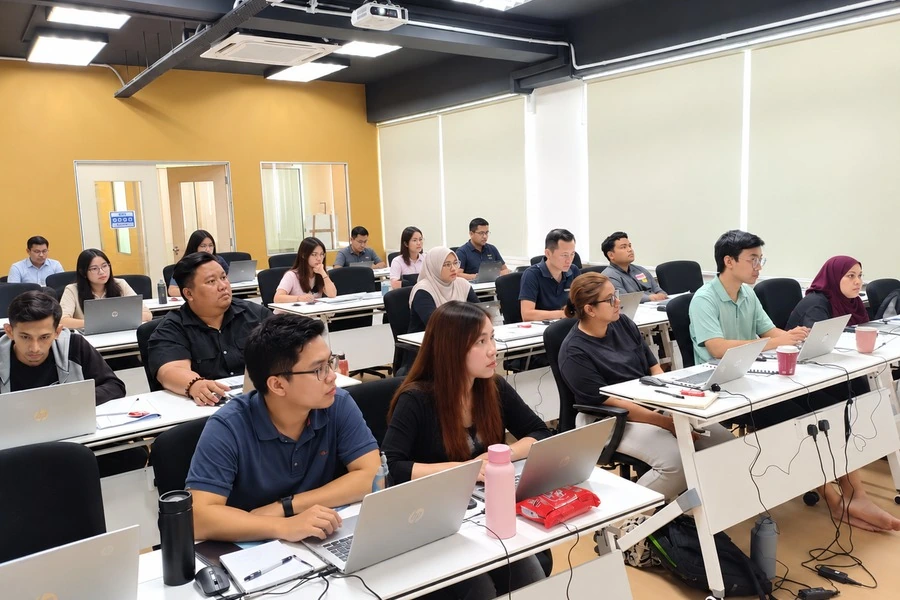
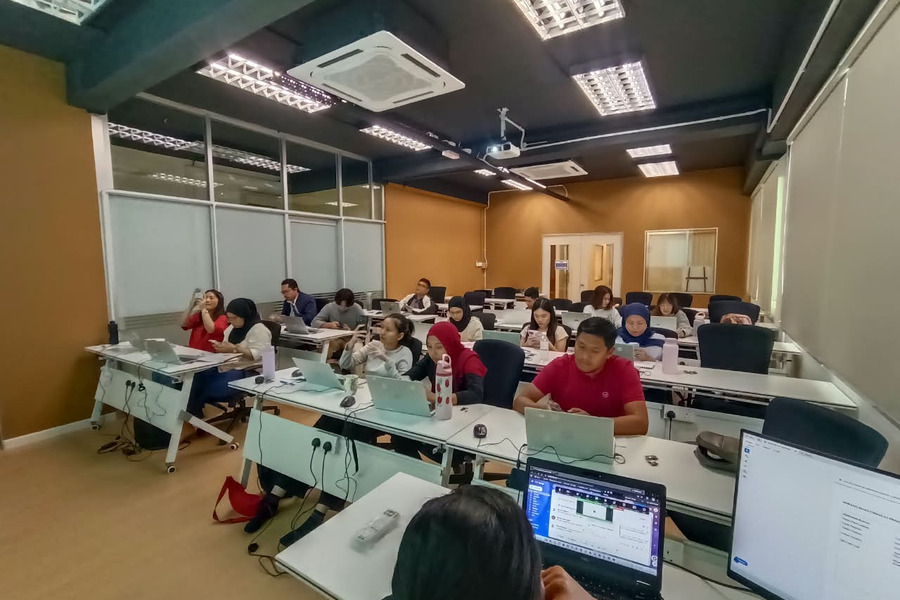
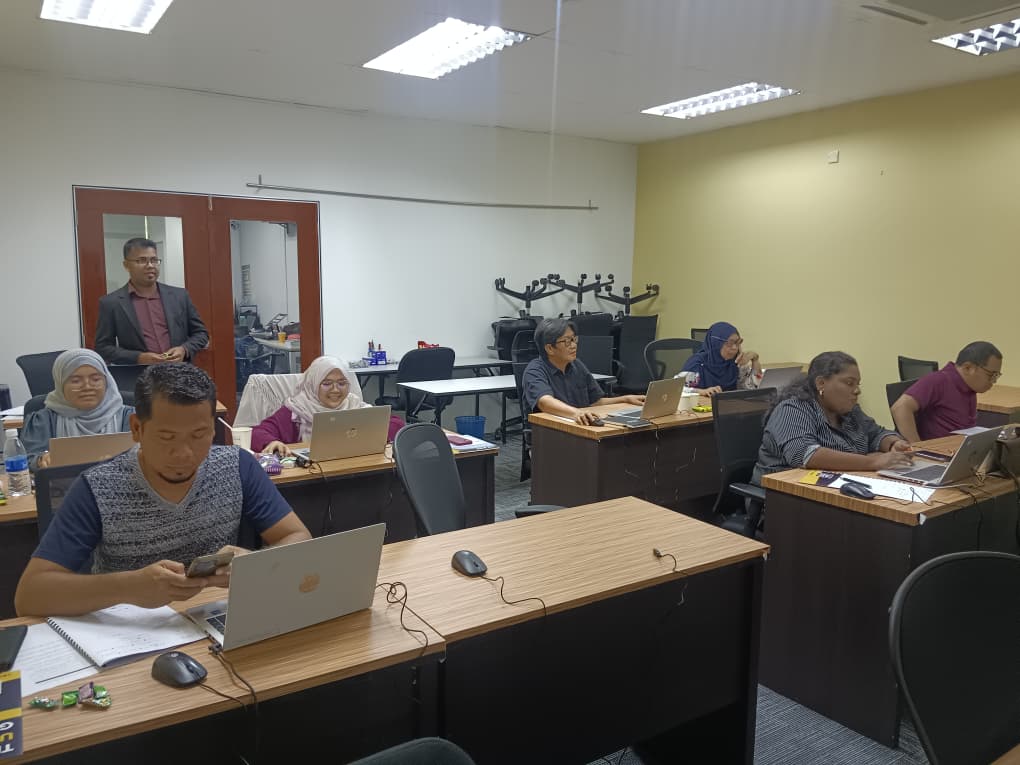
The Finance for Non-Finance Managers Training Course at CAD Training Centre is a comprehensive, 2-day, HRD Corp claimable program designed for managers, business owners, and corporate professionals in Malaysia who want to master financial literacy without an accounting background. Beginner-friendly and practical, this expert-led workshop covers financial statement analysis, ratio evaluation, budgeting, business credit analysis, and practical Excel for finance. Training is available physically in Puchong, Selangor—with laptops provided—or via live online sessions, complete with a certificate of completion and free repeat classes.
If you’re a professional leading a team, running a department, or managing a business—but numbers still feel like a foreign language—you’re not alone. Many successful managers and decision-makers never received formal financial training.That’s why we created a practical, hands-on Finance for Non Finance Managers Course—to help you understand the language of business and make better financial decisions, even if you don’t come from a finance background.
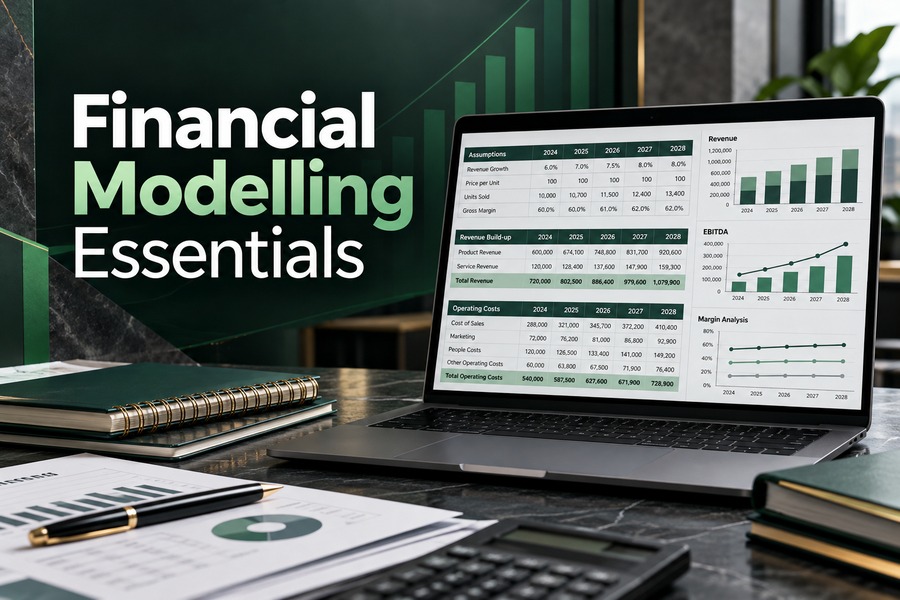
This course covers four modules, beginning with an introduction to finance, accounting concepts and the role of finance in business. Participants will learn how to read and interpret financial statements, including the Income Statement, Balance Sheet and Cash Flow Statement. The day also introduces financial ratio analysis, covering profitability, liquidity, efficiency and solvency ratios. Participants will apply these ratios to practical business scenarios to identify financial trends, risks and opportunities. Day 2 introduces five additional modules covering Microsoft Excel for financial reporting, business financial reports, personal finance, business financing, credit analysis and practical budgeting. Participants will explore the differences between debt and equity financing, understand the 5 Cs of Credit and develop basic financial models through practical case studies.
Sessions run 9am–5pm at our Puchong training centre.
Related links
https://rcademy.com/benefits-of-finance-training-for-non-finance-staff/
https://www.renewableinstitute.org/training/renewable-energy-management-finance-training-course/
https://csuglobal.edu/blog/why-does-finance-matter
https://blog.wearedrew.co/en/what-is-the-purpose-of-finance-in-a-company
https://www.accountingcoach.com/balance-sheet-new/explanation
https://corporatefinanceinstitute.com/resources/accounting/financial-ratios/
Learning Outcomes
- Understand the fundamentals of finance and accounting, including their differences and roles in business management.
- Read, interpret and analyse the three main financial statements: Income Statement, Balance Sheet and Cash Flow Statement.
- Evaluate business financial performance using profitability, liquidity, efficiency and solvency ratios.
- Apply financial ratio analysis to identify business trends, financial risks and opportunities for improving organisational performance.
- Use Microsoft Excel for financial calculations, financial reporting, budgeting and basic data analysis.
- Understand business financing options, including debt and equity financing, credit analysis and financial covenants.
- Develop practical budgeting and basic financial modelling skills to support business planning, cost analysis and financial decision-making.
- Understand personal financial management principles and gain exposure to different finance-related career opportunities.