01
What is the ESG Capital & Investment Masterclass about?
Our ESG Capital & Investment Masterclass helps participants understand how sustainability initiatives can be converted into financially viable projects and investment opportunities.
The programme covers ESG investment considerations, green financing, sustainability-linked loans, financial evaluation, Return on Investment (ROI), ESG project monetisation and funding proposals.
Participants will learn how to evaluate the potential financial benefits of sustainability initiatives and present ESG investment proposals to banks, investors and grant providers.
02
Is the ESG Capital & Investment Masterclass suitable for beginners?
This masterclass is designed for participants who already have a strong understanding of ESG fundamentals.
The programme focuses on financial calculations, investment evaluation, funding proposals and practical applications rather than introducing ESG concepts from the beginning.
Participants should be familiar with ESG governance, sustainability reporting, risk management and carbon accounting.
Those who are new to ESG are encouraged to complete the ESG Essentials or ESG Mastery programme before joining this specialised masterclass.
03
What is the difference between ESG Essentials, ESG Mastery and ESG Capital & Investment Masterclass?
ESG Essentials: Compliance & Implementation is a 2-day programme focusing on ESG fundamentals, materiality assessments, stakeholder mapping, Enterprise Risk Management and sustainability reporting.
ESG Mastery: Advanced Strategies & Implementation is a 3-day programme that includes the foundational modules from ESG Essentials, followed by an additional day covering carbon accounting, three-year ESG roadmaps, company valuation and sustainable finance.
ESG Capital & Investment Masterclass is a separate 1-day programme that focuses specifically on the financial and investment applications of ESG.
The Masterclass covers ROI calculations, green funding proposals, sustainability project monetisation and ESG investment pitches.
Participants can select the programme based on their existing ESG knowledge and professional responsibilities.
04
Do I need to complete ESG Mastery before joining the ESG Capital & Investment Masterclass?
No formal requirement to complete ESG Mastery is stated in the uploaded Masterclass outline.
However, participants are expected to have strong ESG fundamentals before attending.
Previous attendance at the 3-day ESG Mastery programme is one suitable way to prepare, as it covers ESG governance, sustainability reporting, Enterprise Risk Management, carbon accounting and sustainable finance.
Professionals who already possess comparable ESG knowledge may also be suitable for the Masterclass.
05
What is green financing, and will I learn how to prepare funding proposals?
Green financing refers to financial arrangements that support projects or activities with environmental benefits.
The course introduces green financing, sustainability-linked loans and ESG investment funds.
Participants will learn how to structure sustainability initiatives into financially viable proposals and understand the information that investors and financial institutions may require.
The programme also introduces techniques for presenting ESG investment proposals to potential funding providers.
06
What is Return on Investment (ROI), and will I learn how to calculate it for ESG projects?
Yes. The Masterclass includes practical financial evaluation exercises involving Return on Investment (ROI) calculations.
ROI is a financial measure used to evaluate the return generated by an investment relative to its cost.
Participants will learn how ESG initiatives, such as energy transition and operational efficiency improvements, can be assessed for their potential financial returns and cost savings.
The training includes live exercises involving ESG project calculations and financial evaluation.
07
How can companies generate financial value from ESG initiatives?
ESG initiatives can create financial value by reducing costs, improving operational efficiency, managing business risks and supporting access to investment opportunities.
The Masterclass explores examples such as reducing waste, improving resource efficiency, adopting energy transition strategies and managing supply chain decarbonisation.
Participants will examine how these sustainability initiatives can relate to measurable financial returns and business competitiveness.
Actual financial benefits depend on project costs, implementation results and other business conditions.
08
Can ESG improvements help companies obtain better financing terms?
ESG performance can influence how financial institutions and investors assess a company's sustainability-related risks and financial prospects.
Organisations that demonstrate effective management of climate-related risks may be better positioned to communicate their risk profiles and sustainability objectives to funders.
The Masterclass introduces how climate risk management may influence insurance premiums and the cost of capital.
However, better financing terms, lower premiums or funding approval are not guaranteed. They depend on the requirements and assessments of the relevant financial institutions and insurers.
09
Will I learn how to apply for ESG grants and financial incentives?
The programme introduces how to prepare and present ESG projects when seeking grants and financial incentives.
Participants will learn how to structure ESG investment proposals and develop funding pitches that communicate the financial and sustainability benefits of proposed projects.
The training also explores information investors, banks and grant providers may require when evaluating ESG funding opportunities.
Specific grant application procedures, available grants and funding eligibility criteria are not listed in the uploaded outline and should be confirmed separately.
10
What types of ESG projects are discussed during the Masterclass?
The course explores several sustainability initiatives that may generate financial returns or operational benefits.
These include waste reduction, operational efficiency improvements, energy transition and supply chain decarbonisation.
Participants will examine how these initiatives can be evaluated in financial terms and presented as potential investment opportunities.
The programme also introduces how managing climate-related risks may influence financing costs and insurance considerations.
11
What is the difference between green bonds and sustainability-linked loans?
Green bonds are debt instruments used to raise funds for eligible environmentally beneficial projects.
Sustainability-linked loans are financing arrangements in which specified terms may be linked to a borrower's performance against agreed sustainability objectives.
The Masterclass introduces the role of green financing, sustainability-linked loans and ESG funds in investment decisions.
It also covers structuring sustainability initiatives for potential funding.
Detailed instrument structuring and loan negotiations are not separately listed in the uploaded Masterclass outline.
12
How long does the ESG Capital & Investment Masterclass take?
The Masterclass takes one day, with training sessions running from 9:00 AM to 5:00 PM.
The first part introduces the ESG investment landscape and how to structure sustainability projects for green funding.
The second part focuses on ESG project monetisation, financial calculations, ROI analysis and effective funding pitches.
The programme includes practical discussions and live ESG financial evaluation exercises.
13
Do I need to bring my own laptop for the ESG Capital & Investment Masterclass?
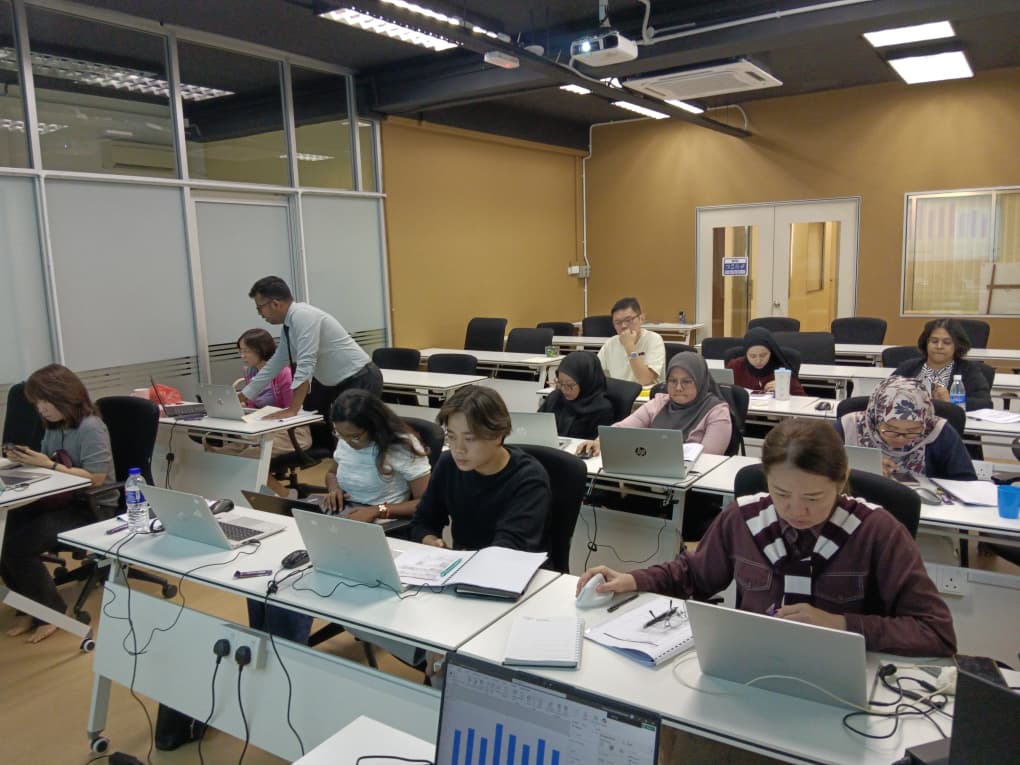
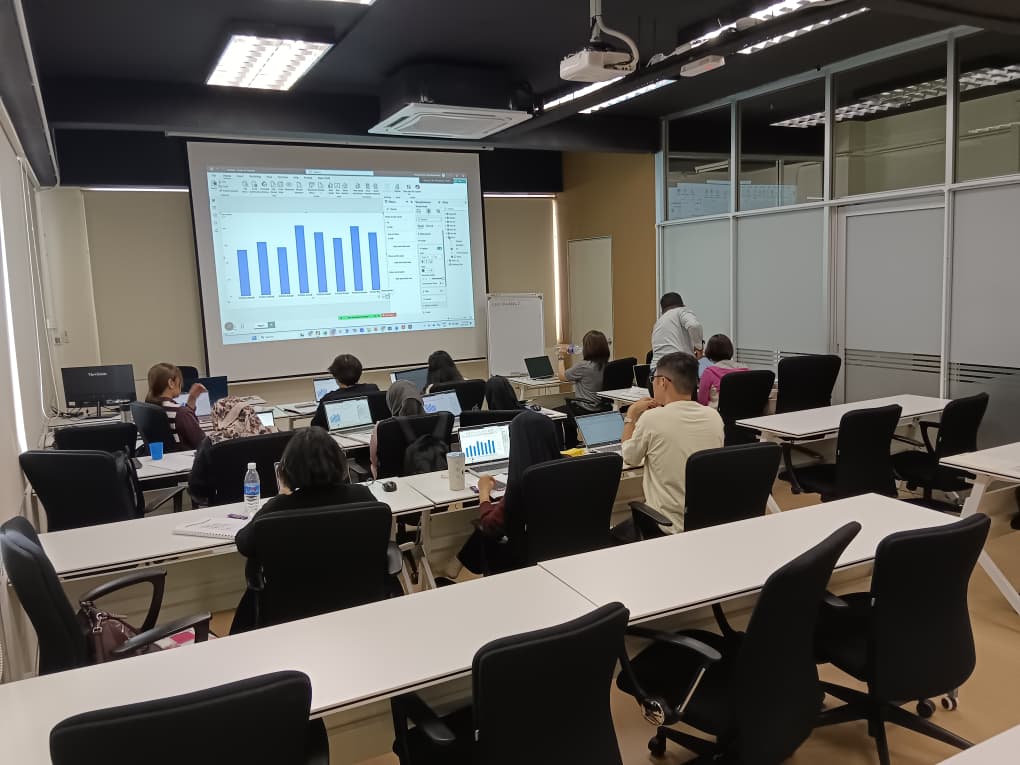
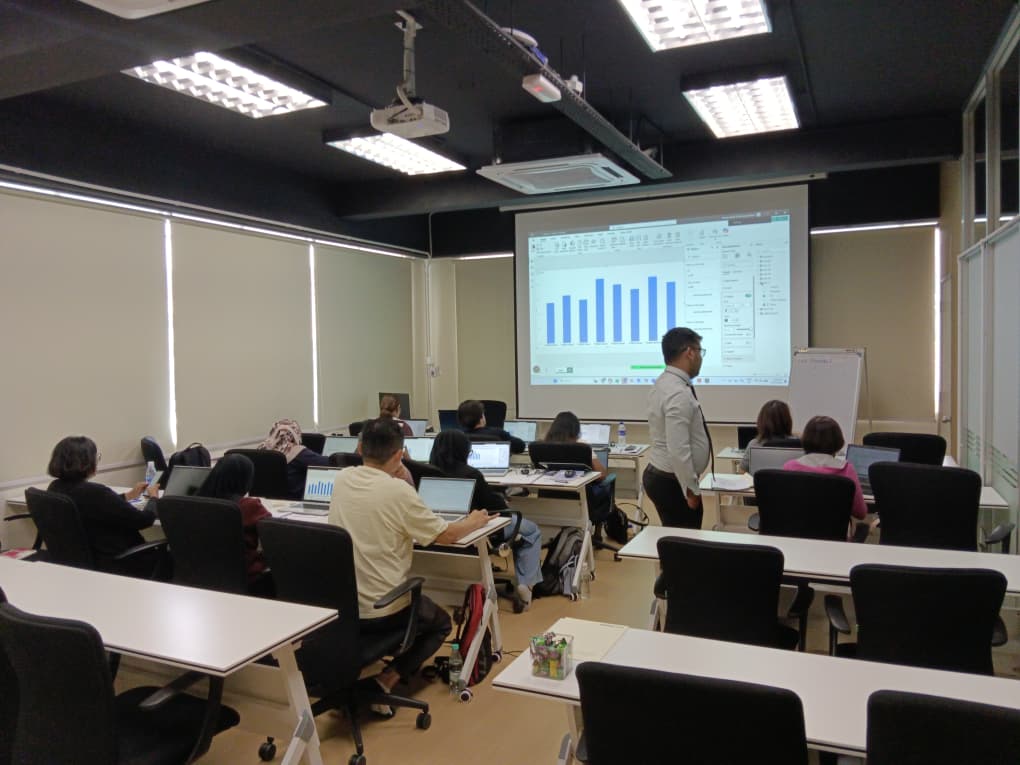
No. CAD Training Centre provides laptops for participants attending physical classes at our Puchong centre.
You may bring your own laptop if preferred. A training handbook is also provided for reference during the programme.
14
Will I receive a certificate after completing the ESG Capital & Investment Masterclass?
14. Will I receive a certificate after completing the ESG Capital & Investment Masterclass?
Yes. CAD Training Centre advertises a professional certificate upon completing its ESG training programmes.
The exact certificate title for the 1-day ESG Capital & Investment Masterclass is (unconfirmed, flag to verify).
15
What language is the ESG Capital & Investment Masterclass conducted in?
The training is conducted bilingually in English and Bahasa Melayu.
16
Is the ESG Capital & Investment Masterclass HRD Corp claimable?
Yes. Our ESG Capital & Investment Masterclass is HRD Corp claimable under the applicable scheme, subject to eligibility and approval requirements.
17
Can the ESG Capital & Investment Masterclass be arranged for corporate or in-house training?
Yes. CAD Training Centre offers corporate and in-house ESG training arrangements for organisations.
Companies may contact the training team to discuss group participation, training requirements and available arrangements, subject to trainer availability and quotation requirements.
18
Is there a surau (prayer room) available at CAD Training Centre?
Yes, we have a surau available at our training centre in Puchong. Muslim participants can use the prayer room during breaks throughout the training day.
19
Can I attend the ESG Capital & Investment Masterclass online instead of in a classroom?
Classroom training means physical attendance in Puchong with face-to-face guidance and co-learning with other participants. Online training runs live via Zoom with hands-on, screen-shared exercises, better if you're outside the Klang Valley or want to save on travel time.