About this course
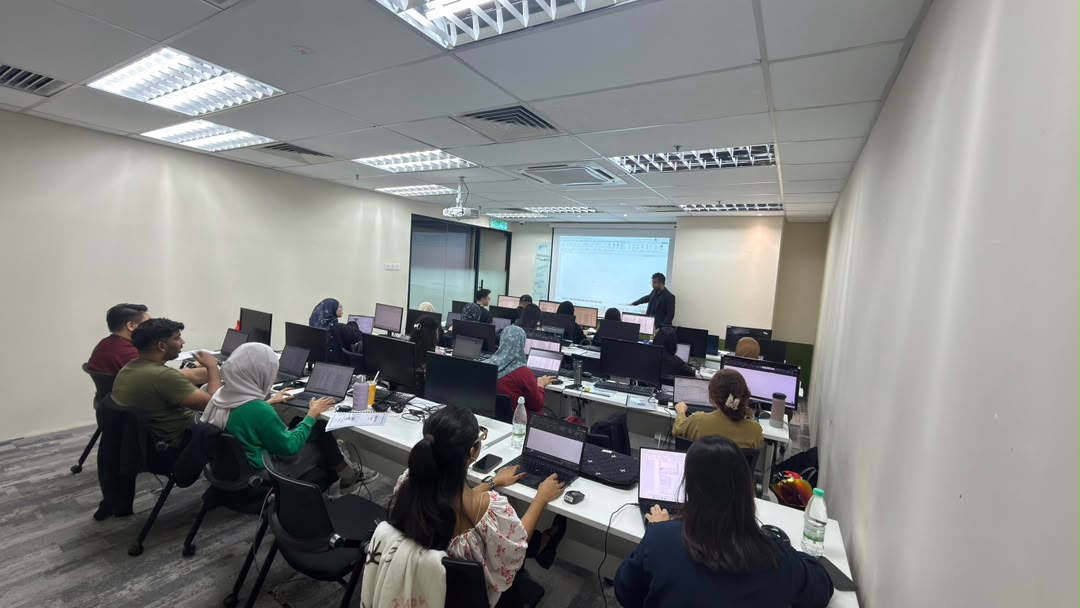
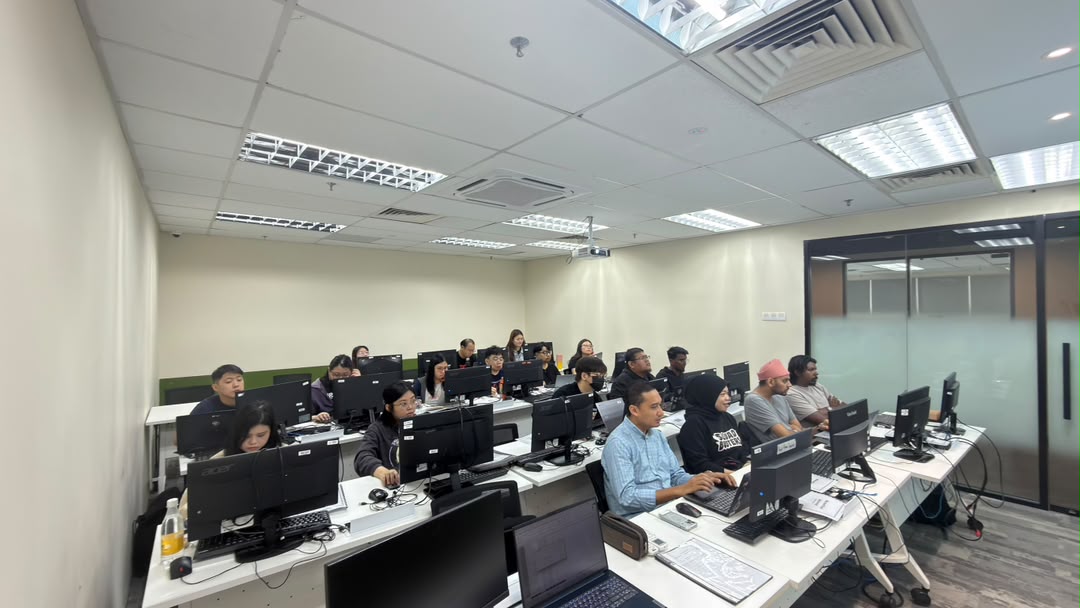
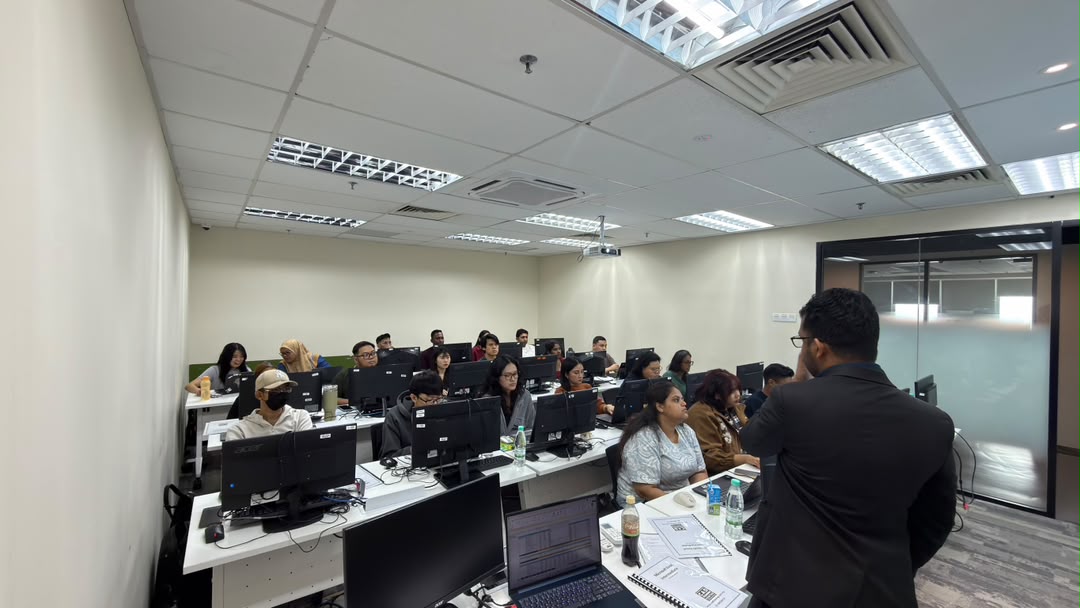
The Environmental, Social, and Governance (ESG) Training Course at CAD Training Centre is a comprehensive, HRD Corp claimable program designed for corporate leaders, sustainability officers, business owners, and management teams in Malaysia. Spanning ESG levels from basic to advanced, this beginner-friendly, hands-on practical workshop covers core ESG frameworks, sustainability reporting, carbon accounting principles, and compliance strategies. Training is available physically in Puchong, Selangor—with laptops provided—or via live online sessions, complete with a certificate of completion and free repeat classes.
As the business landscape evolves, Environmental, Social, and Governance (ESG) practices have moved beyond being just a buzzword. Today, they serve as a critical framework helping companies enhance sustainability, appeal to investors, mitigate risks, and stay competitive. Whether you’re just exploring the topic or seeking deeper insights, this ESG Course offers a well-rounded learning path suitable for both newcomers and experienced professionals.
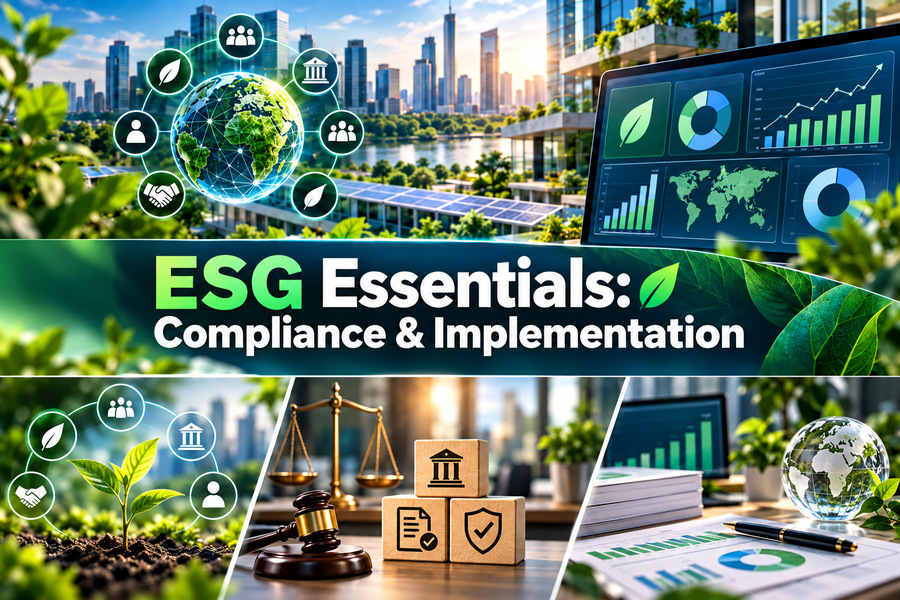
Days 1 and 2 cover the same eight foundational modules as the 2-day ESG Essentials: Compliance & Implementation course. Participants will learn ESG principles, impact and financial materiality, stakeholder mapping, UNSDG alignment, Enterprise Risk Management, Double Materiality Assessment and sustainability reporting frameworks including GRI, TCFD, SEDG and IFRS S1/S2. Day 3 introduces four additional modules focused on ESG execution and financial value creation. Participants will learn how to calculate Scope 1, 2 and 3 greenhouse gas emissions, develop a three-year ESG implementation roadmap with assigned responsibilities and Key Performance Indicators (KPIs), and understand the relationship between ESG performance, company valuation and access to green financing. The final module introduces sustainable finance instruments, including green bonds, sustainability-linked loans and impact investments.
Days 1–2 cover the Diagnostic and Systems Phases — materiality assessment, stakeholder mapping, UN SDG alignment, ERM integration, Double Materiality Assessment governance, and framework mastery (GRI, TCFD, SEDG, IFRS S1/S2) with NSRF-aligned disclosure. Day 3 is the Execution Phase — a hands-on Carbon Accounting Lab calculating Scope 1, 2, and 3 emissions, building a 3-year strategic roadmap with assigned ownership and KPIs, understanding the investment lens on ESG and valuation, and exploring sustainable and green finance instruments (green bonds, sustainability-linked loans, impact investments).
Sessions run 9am–5pm at our Puchong training centre.
Learning Outcomes
- Understand ESG principles and assess the relationship between sustainability, corporate strategy and financial materiality.
- Conduct industry-specific materiality assessments and stakeholder mapping to identify and prioritise relevant ESG issues.
- Integrate sustainability-related risks into Enterprise Risk Management (ERM) and Risk Control Matrices (RCM).
- Apply governance and Double Materiality Assessment concepts to improve accountability and sustainability reporting readiness.
- Interpret reporting frameworks including GRI, TCFD, SEDG, IFRS S1/S2 and Malaysia's National Sustainability Reporting Framework (NSRF).
- Understand and practise calculating Scope 1, 2 and 3 greenhouse gas emissions, including emissions associated with business travel and supply chains.
- Develop a three-year ESG implementation roadmap with defined responsibilities, measurable goals and Key Performance Indicators.
- Understand how ESG performance relates to company valuation, green financing and sustainable investment instruments.
- Explore sustainable and green finance instruments — green bonds, sustainability-linked loans, and impact investments — and how to develop a sustainable finance strategy