New SolidWorks weekend intake starts 18 Aug — limited seats available.

03-8063 0414

Mandatory Compliance Governance

SST Expansion: Fundamentals and Compliance

Understand Malaysia's Sales and Service Tax (SST) requirements with our SST Expansion 2025: Fundamentals and Compliance Training Course at CAD Training Centre in Malaysia. This 1-day, HRD Corp claimable in-house programme covers Sales Tax, Service Tax, SST registration, taxable goods and services, MySST filing, invoicing, exemptions and transitional compliance requirements. Learn to identify SST obligations, manage tax documentation and prepare for SST audits through practical case studies and compliance exercises. Corporate and In-house Training Available.

  • Duration 1 Days
  • Format Online & Face-to-face

About this course


As Malaysia’s SST framework evolves in 2025, businesses face new compliance obligations, pricing changes, and strategic tax decisions. Whether you’re in training, logistics, tech, F&B, or professional services, these  shifts can directly affect your profitability, operations, and customer trust. With new taxable service groups and stricter documentation rules, staying updated isn’t just a good idea, it’s a business necessity— 

Develop practical Sales and Service Tax (SST) compliance knowledge with our SST Expansion 2025: Fundamentals and Compliance Training Course at CAD Training Centre in Malaysia. Designed for business owners, finance professionals, accountants, administrative personnel, procurement teams and managers, this 1-day, HRD Corp claimable in-house programme focuses on understanding Malaysia's SST framework and the changes introduced through the 2025 expansion. Learn how Sales Tax and Service Tax operate, identify taxable goods and services, understand registration thresholds and manage essential tax compliance responsibilities. The programme combines regulatory explanations with practical business examples to help organisations strengthen documentation, reduce compliance errors and make informed operational decisions.

This programme covers four essential modules, beginning with Malaysia's taxation system, the transition from Goods and Services Tax (GST) to SST and the differences between Sales Tax and Service Tax. Participants will explore the Sales Tax Act 2018, including taxable goods, manufacturing definitions, registration requirements, applicable tax rates, exemptions and invoicing. The programme then focuses on the 2025 Service Tax expansion, including new taxable service categories, digital services, leasing, logistics, healthcare, education and changes in tax rates. Participants will also learn about MySST registration, SST-02 tax returns, invoicing and recordkeeping requirements, transitional issues involving contracts, tax assessments, appeals, refunds, public rulings and compliance checklists.

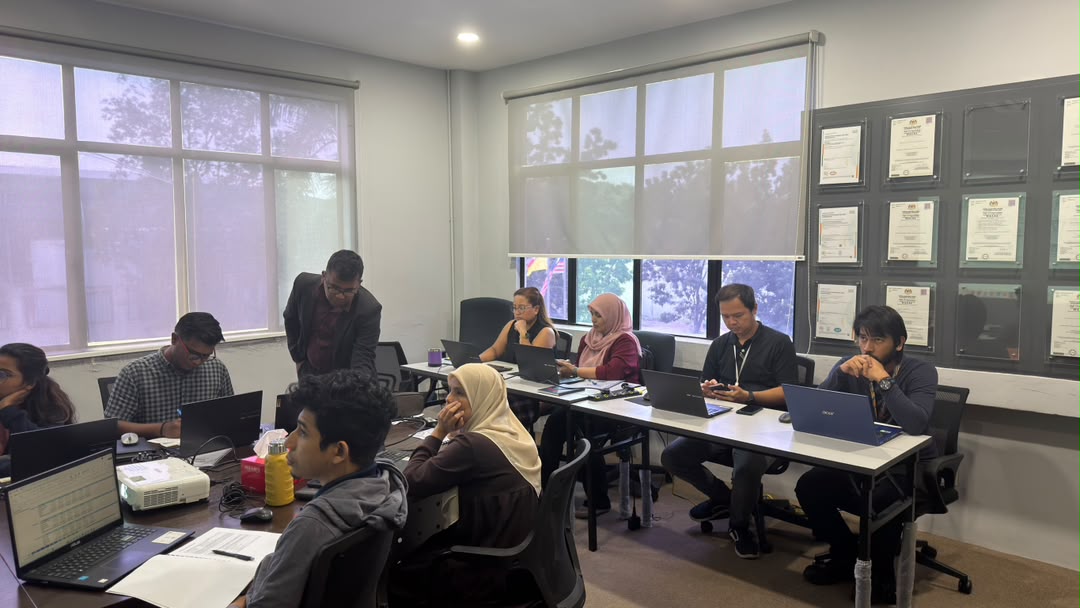
Sessions run from 9am to 5pm, with the training venue arranged according to the organisation's in-house requirements. The programme uses interactive case studies, sector-specific discussions, strategic simulations, compliance exercises and practical examples. The training is conducted bilingually in English and Bahasa Melayu. The curriculum focuses on the 2025 SST expansion; applicable amendments introduced in 2026 should be reviewed with the trainer before delivery.


Related Articles on SST Expansion, Sales Tax, Service Tax and Compliance in Malaysia

1. Understanding Sales and Service Tax (SST) in Malaysia – Royal Malaysian Customs Department

https://mysst.customs.gov.my/understanding-sst/

2. SST Expansion 2025: Official Announcement and Policy Changes – Royal Malaysian Customs Department

https://mysst.customs.gov.my/expansion-scope-press-release/

3. Frequently Asked Questions on the Expansion of Service Tax Scope 2025 – Royal Malaysian Customs Department

https://mysst.customs.gov.my/faq-expansion-of-service-tax-scope-2025/

4. SST Registration Requirements and Procedures – Royal Malaysian Customs Department

https://mysst.customs.gov.my/registering-business/

5. Filing Sales and Service Tax Returns – Royal Malaysian Customs Department

https://mysst.customs.gov.my/filing-text-returns/

6. SST Invoicing Requirements – Royal Malaysian Customs Department

https://mysst.customs.gov.my/issuing-invoices/


Learning Outcomes

  • Understand the structure, purpose and development of Malaysia's Sales and Service Tax (SST) framework, including the transition from GST to SST.
  • Distinguish between Sales Tax and Service Tax and understand their respective mechanisms, taxable activities and compliance requirements.
  • Identify taxable goods and services affected by the SST expansion introduced on 1 July 2025.
  • Understand SST registration thresholds, taxable-person requirements, exemptions and registration procedures through the MySST portal.
  • Recognise the requirements for SST invoicing, recordkeeping, filing SST-02 returns and managing tax payments.
  • Understand transitional SST compliance issues, including the treatment of contracts spanning the July 2025 implementation period.
  • Develop awareness of SST audits, assessments, disputes, tax appeals, refunds, drawbacks and remission procedures.
  • Apply SST compliance checklists and understand how to locate and interpret official Royal Malaysian Customs Department (RMCD) public rulings and guidance.
Who is it for

  • Small and Medium Enterprise (SME) owners and entrepreneurs who need to understand SST obligations and how tax changes affect their businesses.
  • Finance Managers, Accountants and Finance Executives responsible for managing SST reporting, invoicing, tax payments and financial records.
  • Administrative Executives and Office Managers responsible for tax documentation, recordkeeping and business compliance activities.
  • Procurement Managers and Operations Managers who need to understand how SST affects purchasing, suppliers, contracts and operational processes.
  • Business Consultants and Tax Support Professionals who advise organisations on business operations and indirect tax compliance.
  • Professionals working in logistics, retail, education, healthcare, leasing, technology and other industries affected by changes to Malaysia's SST framework.

Course outline

Module 1

Day 1 – SST Trivia & Case Buzz

  • Introduction to the training programme and its learning objectives

  • Participating in an SST trivia and case discussion activity

  • Assessing participants' existing understanding of Malaysia's SST framework

  • Introducing common SST compliance challenges faced by businesses

Module 2

SST 101 – What, Why & How

  • Introduction to taxation in Malaysia

  • Understanding how Acts and legislation are created in Malaysia

  • Exploring the history of Goods and Services Tax (GST)

  • Understanding why GST was introduced

  • Exploring the transition from GST to SST

  • Understanding the reduction of GST from 6% to 0%

  • Introduction to the GST era and its relevance to Malaysia's tax framework

  • Understanding GST audit considerations

  • Introduction to GST Audit File (GAF) analysis

  • Understanding SST 2.0

  • Introduction to Sales and Service Tax (SST)

  • Understanding how SST operates in Malaysia

  • Exploring SST registration thresholds and tax rates

  • Understanding the differences between Sales Tax and Service Tax

Module 3

Sales Tax Explained

  • Introduction to the Sales Tax Act 2018

  • Understanding related Sales Tax rules and regulations

  • Exploring the Sales Tax mechanism in Malaysia

  • Understanding the test for Sales Tax applicability

  • Understanding the definition of manufacturing

  • Identifying taxable persons under Sales Tax requirements

  • Understanding Sales Tax registration requirements

  • Exploring Sales Tax invoicing obligations

  • Understanding the submission of Sales Tax returns

  • Reviewing Sales Tax payment requirements

  • Understanding penalties associated with late payments

  • Introduction to the Sales Tax (Rate of Tax) Order 2022

  • Exploring Sales Tax rates of 5% and 10% as covered in the course outline

  • Understanding tax treatment for Designated Areas

  • Understanding tax treatment for Special Areas

  • Exploring facilities available under the Sales Tax Act

  • Introduction to the Sales Tax Credit System

  • Understanding Sales Tax policies

  • Exploring Sales Tax treatment for Low Value Goods

  • Understanding how Sales Tax requirements affect manufacturers and importers

Module 4

Service Tax Expansion 2025

  • Understanding the Service Tax mechanism

  • Exploring Service Tax rates and taxable services

  • Understanding Service Tax registration requirements

  • Reviewing Service Tax invoicing obligations

  • Understanding the submission of Service Tax returns

  • Exploring Service Tax payment requirements and late-payment penalties

  • Understanding facilities available under Service Tax

  • Exploring tax treatment for Designated Areas and Special Areas

  • Understanding the grouping of services under the Service Tax Regulations

  • Exploring Service Tax exemptions

  • Introduction to Digital Service Tax

  • Understanding Group Relief

  • Reviewing Service Tax policies

  • Identifying newly added taxable service categories under the 2025 expansion

  • Exploring changes in Service Tax rates from 6% to 8% for applicable categories

  • Understanding SST considerations affecting logistics services

  • Exploring SST treatment involving Software as a Service (SaaS) and technology services

  • Understanding SST considerations for leasing services

  • Exploring the implications for healthcare and education services

  • Reviewing sector-specific examples and registration considerations

Module 5

SST Registration, Filing & Transitional Compliance

  • Understanding SST registration thresholds

  • Introduction to the MySST portal

  • Understanding the SST registration process

  • Learning how to prepare SST-02 returns

  • Step-by-step walkthrough of SST-02 filing procedures

  • Understanding SST invoicing requirements

  • Exploring SST recordkeeping obligations

  • Understanding transitional SST compliance requirements

  • Reviewing the treatment of contracts entered into before July 2025

  • Understanding SST considerations for contracts continuing after July 2025

  • Exploring transitional compliance and enforcement considerations

  • Understanding common SST compliance mistakes

  • Introduction to SST audits and assessments by the Royal Malaysian Customs Department (RMCD)

  • Understanding what happens during an SST audit

  • Exploring the procedures for responding to SST assessments

  • Understanding SST disputes and appeal procedures

  • Identifying ways to manage tax penalties and compliance concerns

  • Introduction to SST drawback procedures

  • Understanding refund and remission procedures

  • Exploring refunds relating to exports, cancellations and duplicate payments

  • Understanding the conditions and application processes for tax refunds

  • Introduction to SST Public Rulings

  • Understanding how to interpret RMCD guidance

  • Learning where to locate official SST rulings and compliance references

  • Reviewing developments relating to Budget announcements, tax rates and sector expansion

  • Understanding the importance of monitoring ongoing updates from RMCD and relevant government authorities

Module 6

SST Compliance Checklist, Audit Tips & Q&A

  • Reviewing important SST compliance requirements

  • Understanding common SST documentation and reporting issues

  • Applying a practical SST compliance checklist

  • Discussing audit preparation considerations

  • Clarifying participants' questions relating to SST registration, filing and reporting

  • Summarising the key compliance responsibilities covered during the programme

Course format

Choose the delivery mode that fits your team and timeline.

  • 01

    Classroom

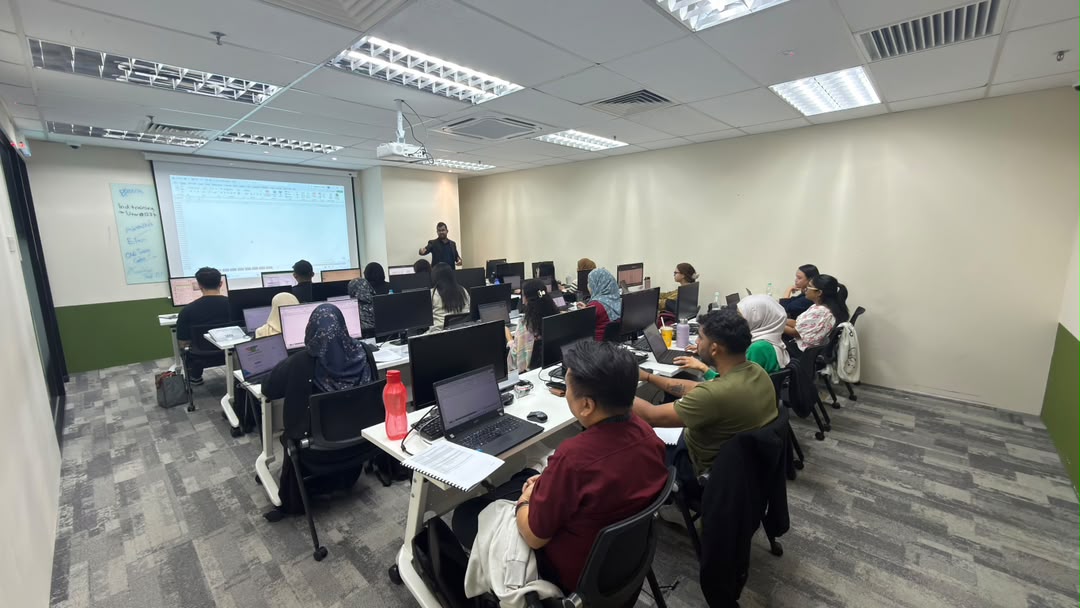
    Instructor-led sessions in our Bandar Puteri labs with guided exercises, live demos, and peer discussion.

  • 02

    Online

    Live virtual delivery with the same syllabus, shared files, and instructor checkpoints — ideal for distributed teams.

  • 03

    In-house

    Private cohorts for your organisation, scheduled around project deadlines with content tailored to your standards.

Upcoming schedule

Public intakes coming up.

  • 7 Dec 2026 - 7 Dec 2026 9:00 AM – 5:00 PM · Online

Certification & policies

Certificate of attendance

Receive a certificate of attendance upon completing the programme, suitable for HR records and continuous learning portfolios.

Free Repeat Class

Free Repeat Class: if you need another pass at the same public syllabus within 6 months, you may re-attend subject to seat availability.

Materials provided

  • Course workbook / digital notes
  • Exercise files and sample templates
  • Certificate of attendance
  • Post-class support window for clarification questions

Frequently asked questions

01 What is the SST Expansion 2025: Fundamentals and Compliance course about?

Our SST Expansion 2025: Fundamentals and Compliance Training Course helps participants understand Malaysia's Sales and Service Tax framework and the changes introduced through the 2025 SST expansion. The programme covers Sales Tax, Service Tax, taxable goods and services, SST registration thresholds, invoicing, MySST filing, exemptions and transitional compliance. Participants will learn how to recognise SST obligations and improve compliance procedures through practical examples, sector-specific discussions and compliance exercises.

02 Is the SST Expansion course suitable for beginners?

Yes. The course is suitable for beginners and professionals who want to strengthen their understanding of Malaysia's SST requirements. The training begins with the fundamentals of taxation, GST and SST before progressing to Sales Tax, Service Tax and practical compliance procedures. No formal tax qualification is required. The programme is suitable for business owners, finance personnel, administrative teams, procurement professionals and managers involved in SST-related activities.

03 What is the difference between Sales Tax and Service Tax in Malaysia?

Sales Tax is generally a single-stage tax imposed on taxable goods manufactured in Malaysia or imported into the country, subject to the applicable legislation and exemptions. Service Tax is imposed on specified taxable services provided by taxable persons and certain imported services. The course explains the differences between these taxes, including their mechanisms, registration requirements, invoicing obligations and reporting procedures. Participants will learn how to determine which tax considerations are relevant to their business activities. Since additional SST amendments were introduced in 2026, organisations should verify current rates, thresholds and exemptions against the latest RMCD guidance.

04 Will I learn how to determine whether my business needs SST registration?

Yes. The course includes SST registration requirements under both Sales Tax and Service Tax. Participants will learn about registration thresholds, taxable persons and the types of activities that may create SST registration obligations. The programme also introduces the MySST registration process. Registration requirements depend on the nature of the business, the applicable taxable activities and the relevant thresholds.

05 What SST tax rates will I learn during the course?

The course covers Sales Tax rates of 5% and 10%, together with the relevant Sales Tax legislation and rate orders included in the uploaded outline. It also explores Service Tax rates and the changes involving 6% and 8% that formed part of the expanded SST framework. Different rates may apply to different goods, services and taxable activities. The applicable rates should always be checked against the latest Royal Malaysian Customs Department guidance because additional changes have occurred since 2025.

06 Does the SST course cover exemptions and special tax treatments?

Yes. The programme introduces Sales Tax and Service Tax exemptions, together with facilities available under the applicable legislation. Participants will learn about tax treatment involving Designated Areas and Special Areas. The training also covers the Sales Tax Credit System, Low Value Goods, Digital Service Tax and Service Tax Group Relief. These topics help participants understand that SST treatment may vary depending on the taxable activity, applicable exemption and business circumstances.

07 What are the transitional SST compliance requirements covered in the course?

The course examines the transitional requirements introduced during the July 2025 SST expansion. Participants will learn about handling contracts and transactions that began before the implementation date and continued afterwards. The programme also introduces invoicing considerations, tax treatment changes and transitional compliance issues. These topics are useful for understanding historical contracts and identifying tax treatment matters that may require further review.

08 Will I learn how to prepare for an SST audit?

Yes. Module 4 covers SST audits, assessments, disputes and compliance documentation. Participants will learn about the importance of maintaining accurate invoices, records and SST returns. The course also introduces how businesses can respond to assessments and understand relevant appeal procedures. A closing activity covers SST compliance checklists and audit preparation tips.

09 Does the course cover SST refunds, drawbacks and tax appeals?

Yes. The programme introduces SST refund, drawback and remission procedures. Participants will learn about situations involving exports, cancellations and duplicate payments that may give rise to refund considerations. The training also introduces tax assessments, disputes and appeals involving the Royal Malaysian Customs Department. Actual eligibility and application requirements depend on the applicable legislation and official guidance.

10 What is the difference between SST Fundamentals and SST Compliance & Profit Strategies?

SST Expansion 2025: Fundamentals and Compliance is a 1-day programme focusing on SST fundamentals, Sales Tax, Service Tax, registration, filing, exemptions and transitional compliance. SST Expansion 2025: Compliance and Profit Strategies is a separate 2-day programme that includes the foundational SST topics and adds further coverage of sector-specific tax implications, pricing strategies, margin management, anti-profiteering considerations and customer communication. The 1-day programme is suitable for organisations seeking a foundational understanding of SST compliance, while the 2-day programme provides additional business and pricing applications.

11 Which industries can benefit from this SST training?

The programme is relevant to businesses and professionals involved in activities affected by Malaysia's SST framework. The uploaded course outline specifically references logistics, retail, education, healthcare and other industry-specific business activities. The training also introduces SST considerations involving leasing, technology services, manufacturing and imported goods. Participants will learn about tax compliance concepts that can be applied according to their organisation's activities and relevant taxable services.

12 How long does the SST Expansion 2025: Fundamentals and Compliance course take?

The course takes one day, with training sessions running from 9:00 AM to 5:00 PM. The programme covers four main modules: SST fundamentals, Sales Tax, Service Tax Expansion 2025, and SST Registration, Filing & Transitional Compliance. Training includes an introductory SST trivia activity, regulatory explanations, practical examples, case discussions and a closing compliance checklist and Q&A.

13 Is the SST course available for corporate and in-house training?

Yes. This SST Expansion 2025: Fundamentals and Compliance course is offered as an in-house training programme. Organisations can arrange training for their finance, administration, procurement, operations or management teams. The programme can be delivered at the client's premises or another suitable venue, subject to trainer availability and quotation arrangements. The current training schedule lists in-house arrangements for groups of five or more participants

14 Do I need to bring my own laptop for the SST training?

Laptops are provided when training is conducted physically at CAD Training Centre in Puchong. For in-house training at a client's premises or another external venue, laptop and equipment arrangements should be confirmed when preparing the training quotation. The programme includes case discussions, compliance exercises and practical examples to help participants understand SST requirements.

15 Will I receive a certificate after completing the SST course?

Yes. Participants receive a Certification of Achievement after completing the SST Training Course, as advertised on the CAD Training Centre website. The certificate recognises participation in the programme covering SST fundamentals, Sales Tax, Service Tax and compliance procedures.

16 What language is the SST Expansion course conducted in?

The training is conducted bilingually in English and Bahasa Melayu.

17 Is the SST Expansion 2025 course HRD Corp claimable?

Yes. Our SST Expansion 2025: Fundamentals and Compliance Training Course is HRD Corp claimable, subject to applicable eligibility and approval requirements. Eligible Malaysian employers may apply for training grants under the relevant HRD Corp scheme for their employees.

18 Is there a surau (prayer room) available at CAD Training Centre?

Yes, we have a surau available at our training centre in Puchong. Muslim participants can use the prayer room during breaks throughout the training day. For training conducted at an external venue, prayer room availability should be confirmed with the venue organiser.

19 Can the SST training be conducted physically or online?

Classroom training means physical attendance in Puchong with face-to-face guidance and co-learning with other participants. Online training runs live via Zoom with hands-on, screen-shared exercises, better if you're outside the Klang Valley or want to save on travel time. This SST course is currently listed for corporate and in-house arrangements only. The delivery method, venue and online availability should be agreed with the training team when requesting a quotation.

Next step

Register your interest

Share a few details and we will confirm seats, HRD Corp claimability, and the best public or in-house option for this course.

Training type